Social Search, Viral Inspiration with Reddit, TikTok, YouTube - The Phocuswright Conference 2025
Summary
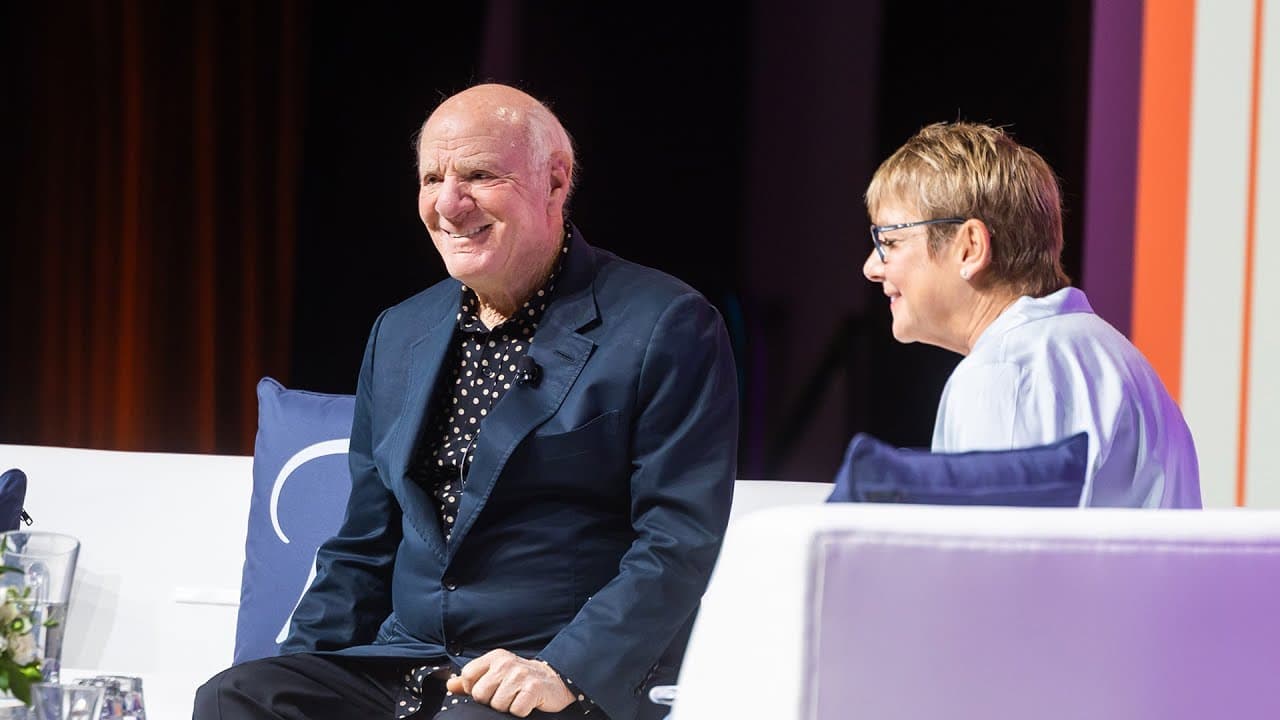
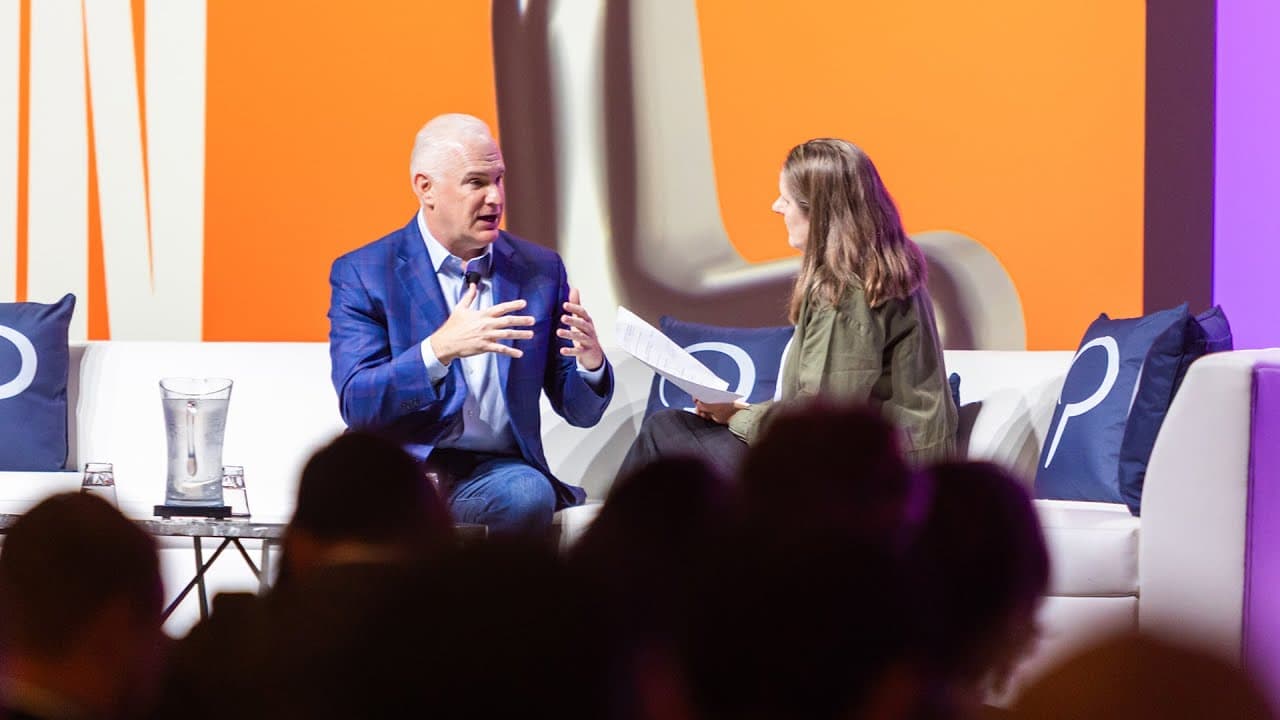
This panel from The Phocuswright Conference 2025, moderated by Madeline List of Phocuswright, brings together Eric DeLange (Reddit), David Hoctor (TikTok), and Travis Katz (YouTube) to discuss how social and user-generated content platforms are reshaping travel discovery, research, and booking — and how they stack up against the rising influence of generative AI.
The central question framing the panel is whether AI-generated content will displace the human-driven recommendations that define these platforms. All three panelists agree that authentic, human-generated content retains significant value alongside AI. TikTok data shows 67% of users say the most important travel recommendation comes from a fellow traveler. YouTube reports two-thirds of travelers watch travel-related videos before making a booking, with 95% of the top 4,000 travel channels run by individual creators rather than brands. Reddit users actively append 'Reddit' to Google searches specifically to find human counterpoints to AI-generated results, seeking depth and specificity — such as the wait time at a specific Puerto Rico restaurant on a specific day.
On the question of AI content trust and moderation, each platform takes a distinct approach. TikTok mandates AIGC labeling on all AI-generated content regardless of origin (including from external tools like Sora), and uses heavy moderation. YouTube relies on algorithmic quality signals and community comments to surface trustworthy content, noting its models can detect AI-generated video. Reddit leverages anonymous posting, unpaid community moderators, and democratic upvoting as its trust infrastructure, with anonymity itself described as breeding authenticity since users are not incentivized to sell anything.
On format strategy, Travis Katz argues that short form (roughly 70% of total video impressions) serves upper-funnel discovery while long form drives conversion — 53% of YouTube travel advertiser conversions come from videos longer than 90 seconds, with more than half of that from videos over five minutes. YouTube also reports that 70% of travel advertiser impressions are now coming from living room (TV) viewing.
David Hoctor addresses TikTok's Gen Z perception head-on: over half of TikTok's 200 million daily US users are now over 35, with the 25–44 demographic growing fastest. He acknowledges a product gap in monetization for travel and outlines a three-pillar commercial strategy for the year ahead: 'See' (discovery via Spark Ads and prime time inventory), 'Search' (keyword-targeted search ads), and 'Book' (TikTok Travel Ads, launched a few months prior, with frictionless commerce integrations modeled on TikTok Shop). Eric DeLange highlights Reddit's community-based and conversational ad targeting — particularly keyword-targeting within active travel conversations — and notes Reddit's challenge in being classified as either search or social by brands. He also commits to building a more complete product suite for travel verticals including dynamic product ads.
Key Takeaways
- •Travelers actively seek out human recommendations as a deliberate counterpoint to AI summaries — Reddit appended to Google searches is a measurable behavioral signal of this.
- •67% of TikTok users say their most important travel recommendation comes from a fellow traveler, not branded or AI-generated content, making authenticity the primary creative standard.
- •For YouTube travel advertisers, deploy short-form for upper-funnel discovery and long-form (5+ minutes) for conversion — 53% of conversions come from videos over 90 seconds.
- •70% of YouTube travel advertiser impressions now come from living room (CTV) viewing, requiring brands to design for a lean-back, immersive experience.
- •TikTok's fastest-growing demographic is 25–44 and over half of its 200M daily US users are over 35 — campaigns should not be restricted to Gen Z targeting.
- •TikTok's three-pillar travel strategy — See (discovery), Search (keyword ads), Book (Travel Ads + commerce) — provides a structured framework for travel brands entering the platform.
- •AI-generated content should be used as a retargeting tool lower in the funnel, not as a brand's first impression; lead with creator or UGC content.
- •Reddit's 'conversation ads' allow brands to insert targeted messages directly within active travel planning threads, extending search strategy into community discussions.
- •All AI content on TikTok must be labeled AIGC regardless of its source tool — brands need to plan for this transparency requirement in their creative production.
- •Reddit's anonymous, non-commercial posting environment means users perceive recommendations as unbiased — a trust advantage that branded content on creator platforms cannot fully replicate.
Transcript
Hey guys, >> good morning. So, I'm so excited for this kind of meeting of the minds and the mix of panels that we have represented today. I wanted to start off with more of an existential question because we're going to hear a lot of talk throughout this conference about trip planning through generative AI tools or AI overviews. And that's a very kind of definitive summary that comes through in trip planning. Whereas in contrast, you all represent major usergenerated content types of platforms. ...