Travel search in the AI era according to Google - The #Phocuswright Conference 2025
Summary
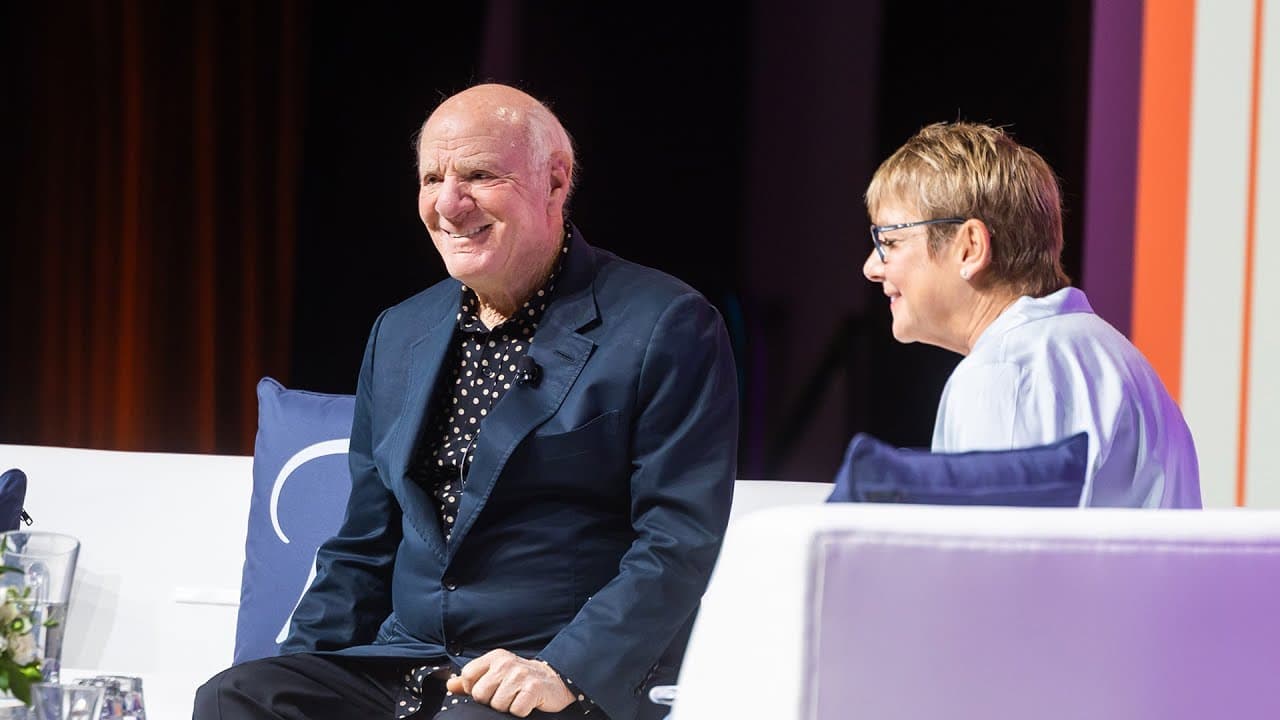
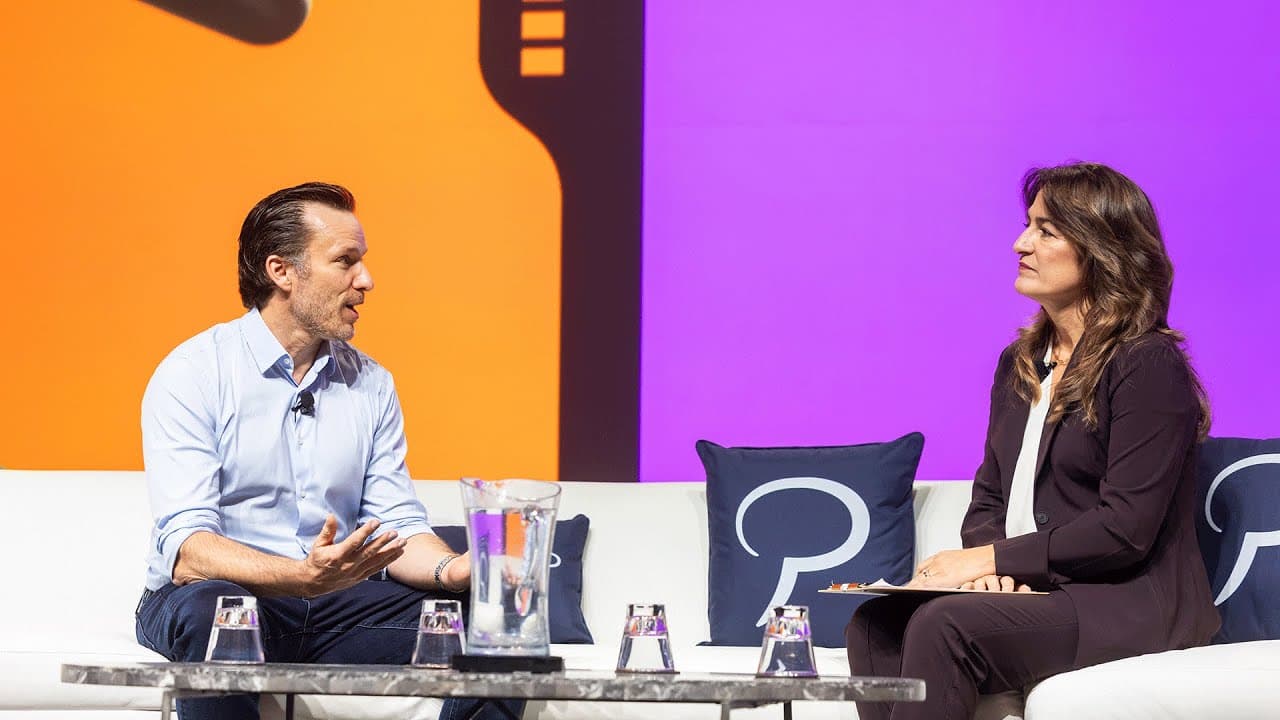
James Byers, Group Product Manager for Travel at Google Search, delivers a presentation and fireside chat at The Phocuswright Conference 2025, outlining how AI is transforming travel search and what that means for the broader travel industry ecosystem. Interviewed by Morgan Hines of PhocusWire, Byers argues that the pace of change in search is comparable to the rise of mobile and the first dot-com era.
Byers describes a fundamental shift in user search behavior: travelers have moved from issuing hundreds of short, fragmented queries like "hotels Nashville" to submitting single, richly contextual natural-language queries such as "things to do in Asheville this week, I'm with friends, we're big foodies who like music and chill vibes." Google's 'AI mode' — its conversational search product with over 75 million daily active users — is built to decompose these complex queries into component parts, run multiple searches in parallel, check flights, hotels, weather and transit data simultaneously, and stitch together a response grounded in real-world data.
Byers emphasizes that Google's competitive advantage is not solely its large language model (Gemini), but the depth of grounding data behind it: Google Maps, the Knowledge Graph, live flight and hotel pricing feeds, user personalization signals (including opt-in Gmail data), and review/video content from the web. He notes that a majority of travelers are both date-flexible and destination-flexible, enabling products like 'AI Flight Deals' — launched in 200+ countries and 60+ languages — to surface deeply discounted options tied to events like Christmas markets (e.g., flights to Bruges at a 71% discount). Similarly, hotel search can now factor in nuanced criteria like proximity to hiking trails or whether a pool is actually heated, by cross-referencing maps data, reviews, and videos rather than relying solely on structured feed data.
On agentic booking, Byers reveals that Google announced on the Monday of the conference a test enabling end-to-end hotel booking directly within AI mode, in partnership with Booking.com, Choice Hotels, Expedia, IHG, Marriott, and Wyndham. He expects the technical challenges of seamless payments and experience integration to be resolved within a few months, but frames 2026 as a year of learning about what users actually want from agentic booking. He highlights the emotional intensity of the moment just before a traveler commits to a booking as a key pain point that AI can reduce.
On trust and commercial models, Byers stresses radical transparency: distinguishing ads from organic results, being clear about commercial relationships, and keeping the partner ecosystem as open as possible. He says the initial advertising model in AI mode will mirror familiar formats rather than trying to reinvent everything at once. On competition from other AI providers, he acknowledges it is good for users and innovation, arguing Google's edge comes from its grounding data — without live prices and inventory, LLMs produce trip plans that don't hold up in reality.
For travel brands in the room, Byers advises maintaining strong feed data (prices, availability) as a foundation, while also surfacing niche, human, and factual content that can now match complex contextual queries — content that previously never surfaced in traditional keyword searches.
Key Takeaways
- •Optimize for long, natural-language queries — travelers now submit richly contextual search requests rather than short keyword fragments, so content and feed data must support nuanced matching.
- •Maintain strong feed data (prices, availability, inventory) as the foundation — LLMs without live grounding data produce plans that fail on price accuracy and erode user trust.
- •Surface niche, human, and factual content about your business — AI mode can now match granular details (e.g., live music start times, heated pool confirmation) to specific user needs that never surfaced in keyword search.
- •Prepare for agentic booking: Google is actively testing end-to-end booking within AI mode with major OTAs and hotel chains, with broad market rollout expected in 2026.
- •The commercial barrier to entry for partners in agentic booking is designed to be low — Google is aiming to keep the ecosystem as open as possible, mirroring existing commercial models initially.
- •Date and destination flexibility is the majority traveler behavior — build products and campaigns that leverage flexibility rather than assuming fixed itineraries.
- •Trust is asymmetrical: easy to lose in confusing or opaque moments, hard to build over time — brands and platforms must prioritize transparency about commercial relationships.
- •The pre-booking emotional peak is a key product design opportunity — reducing friction and stress at that moment can differentiate AI-powered booking experiences.
- •AI-powered travel discovery is multi-platform — travelers are discovering destinations on short-form video, blogs, and podcasts, not just on Google; content strategy should span all channels.
- •2026 is the year to experiment with agentic travel experiences — Google itself frames it as a learning year, signaling brands have a window to shape how these products evolve.
Transcript
Hi everyone. Uh, a huge thank you uh, for staying through the end of what's hopefully been a really inspirational focus, right? A time to connect with the the ecosystem, with your friends, with your, uh, fellow enthusiasts in our in our wonderful world of travel. U, I'm going to talk a little bit about where we are today from Google's perspective, what we see coming up next, what excites us, and a little bit of what the future holds. I'm James. I lead travel uh product for Google search and I I ...